June 2024 – May 2025
In Jiangsu, traditional paddy field flooding has persisted for centuries, wasting huge amounts of water. My task was to give this land a “digital nervous system,” making irrigation smarter and more efficient. This project was more than just coding — it was a hands-on integration of software and hardware.
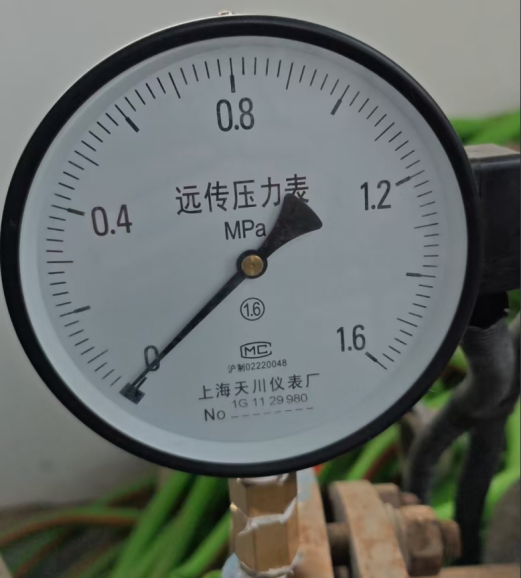
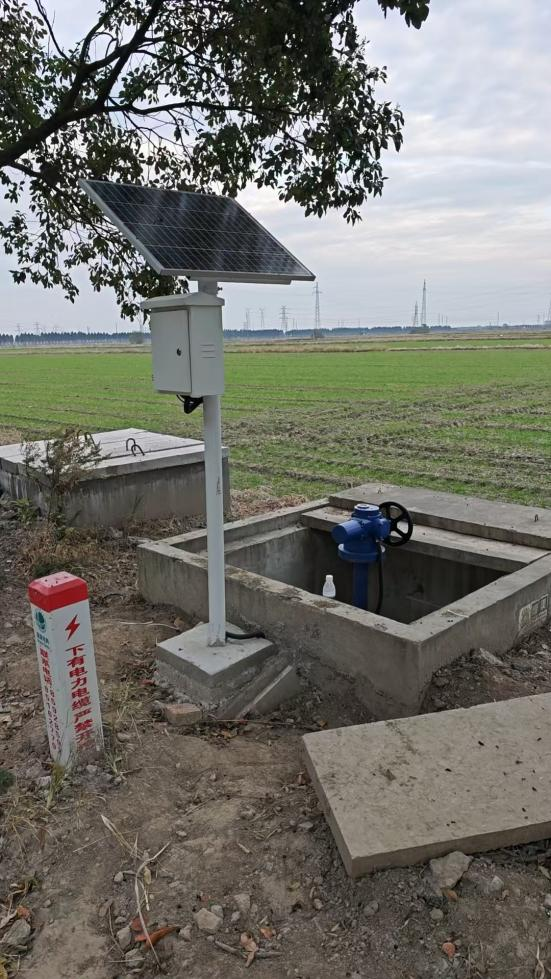
Giving pump stations a brain: We upgraded traditional irrigation pumps into intelligent nodes with three modes: on-site manual control, autonomous strategy, and remote terminal operation. Equipped with sensors for water level, current, voltage, and pressure, they could both sense their environment and respond to my remote instructions.
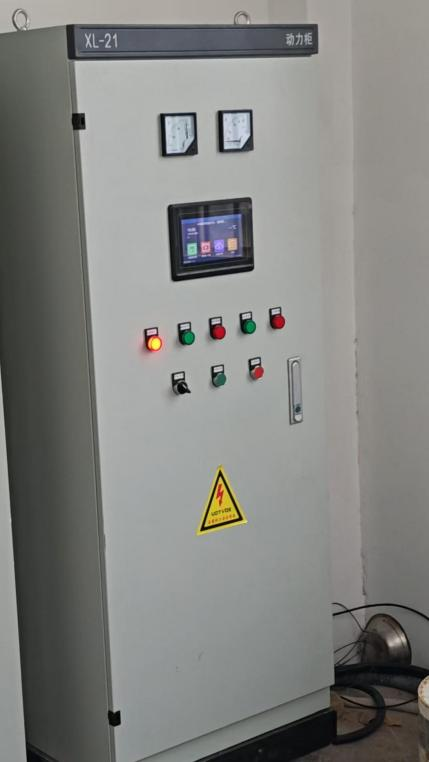
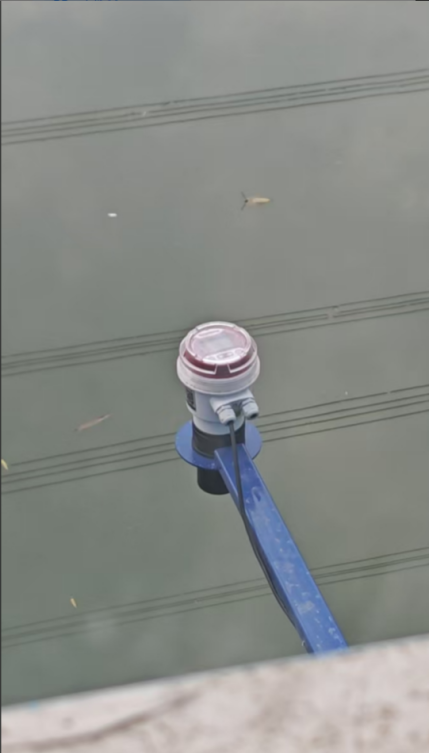
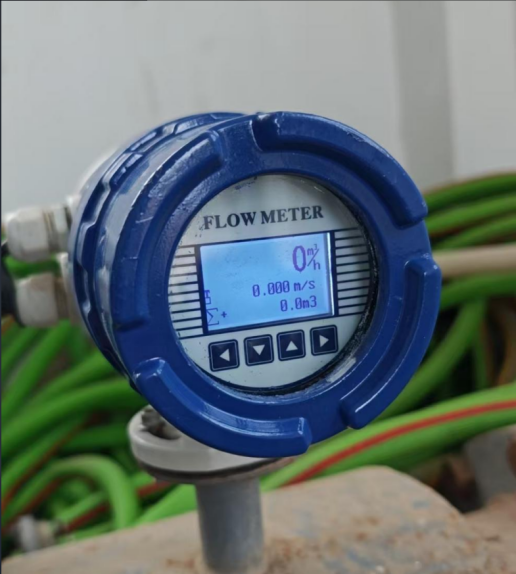
Designing expressive gates: To make system states intuitive for farmers, I programmed simple indicator lights on each gate: flashing red for water inflow, steady green for normal operation, and yellow for faults. This simple design made complex systems easy to grasp.
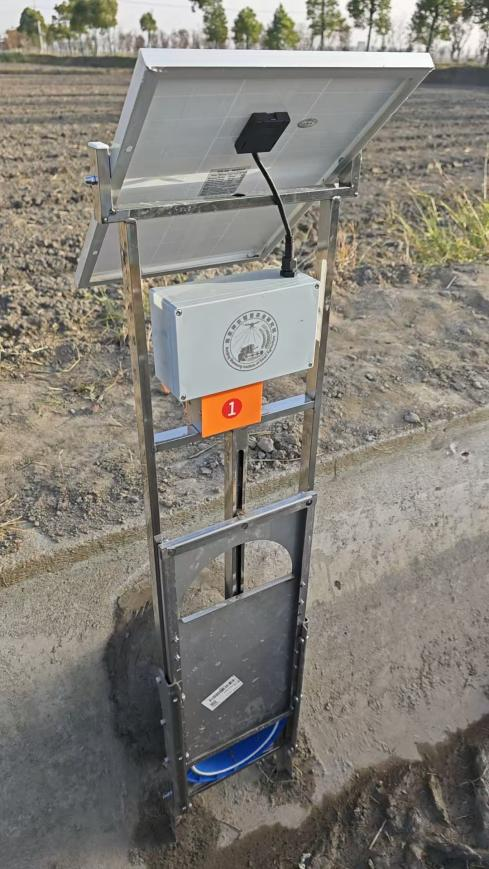
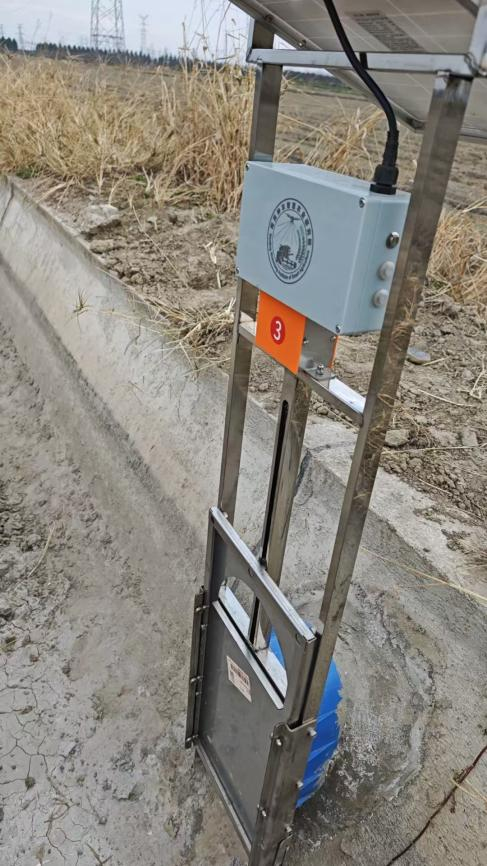
Building an irrigation IoT network: We installed intelligent butterfly valves at eight key pipelines, enabling sensor-linked remote control of flow. All device data — from pumps to gates to valves — streamed into a unified management platform in real time.
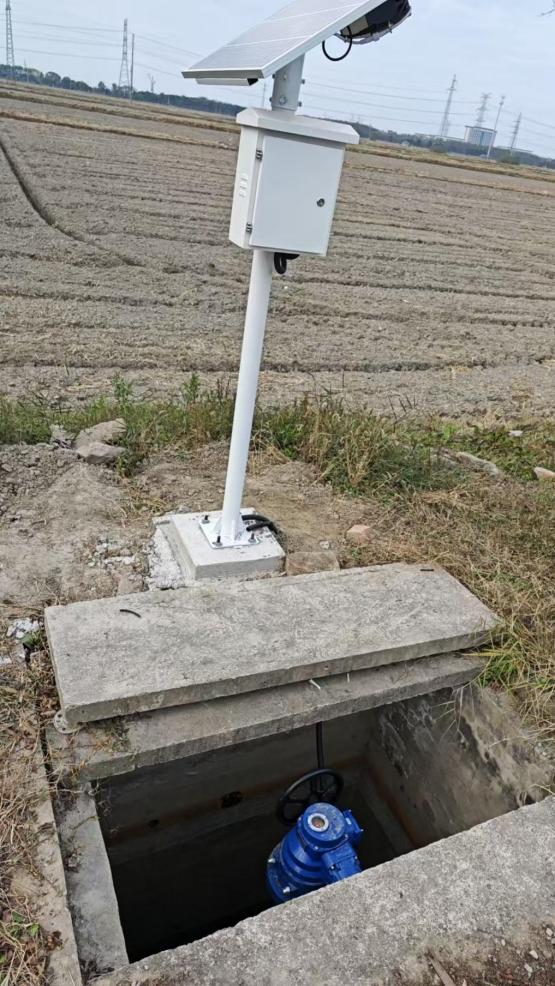
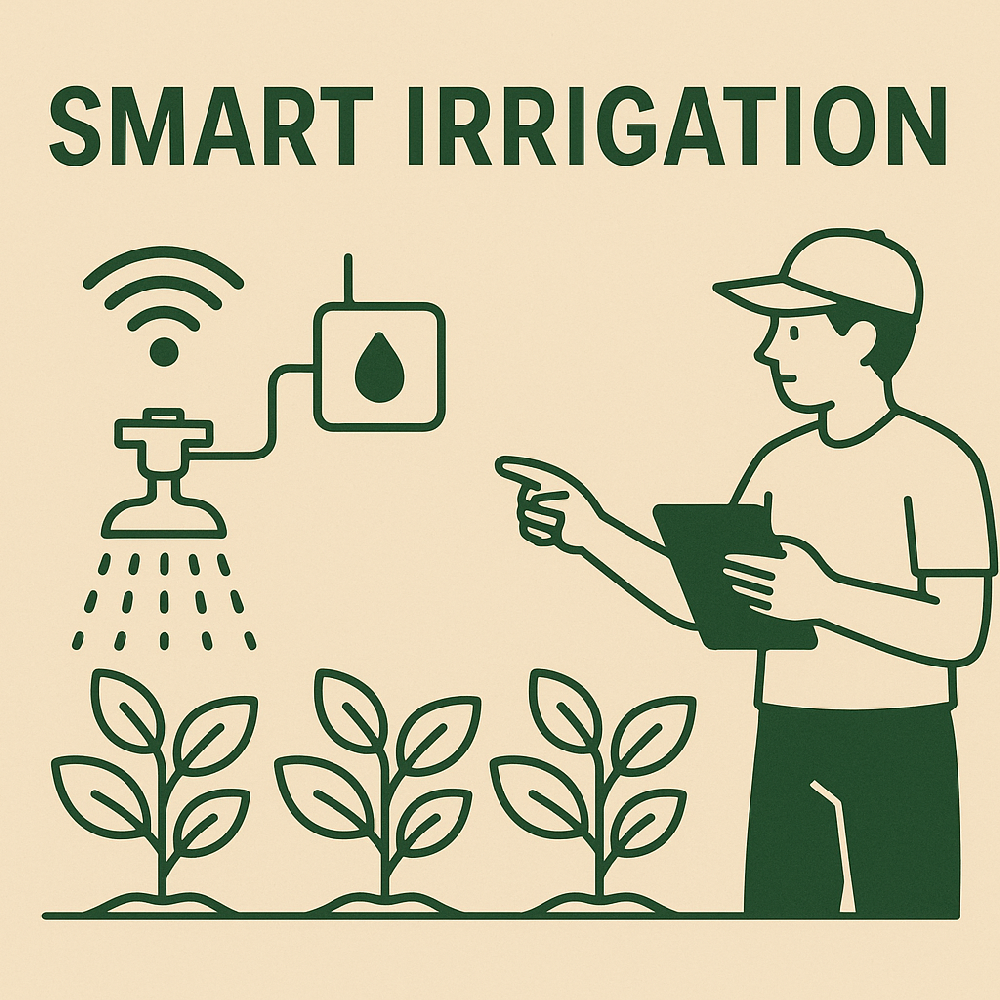
Making the system “think”: I helped optimize the water-saving algorithm on the platform. Instead of relying on vague experience, the system used real-time data on irrigation, drainage, and fertilization to dynamically adjust strategies, ensuring sufficient water for crops while conserving every drop.
Watching the control room visualize the entire irrigation district — and remotely managing everything with a single click — gave me a deep sense of how technology can take root in the soil and solve real problems.

游客
这个网站不错
2024-11-24 15:50:57